
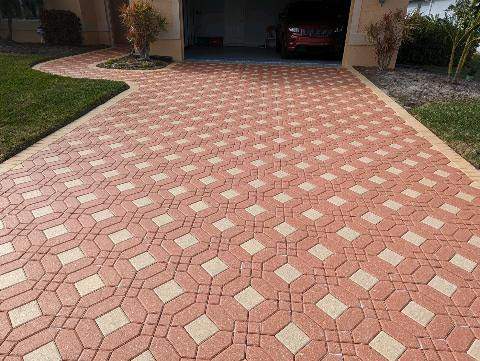
Why You Don’t Need to Seal Your Pavers Every Year (And What Matters More Instead)
It’s a common question from homeowners across Southwest Florida:
Do I need to seal my pavers every year?
The answer is no. In most cases, properly sealed pavers should last two to three years before another full sealing is needed. The exact timing depends on factors like traffic, sun exposure, drainage patterns, irrigation, and how the surface is maintained between applications.
Annual sealing usually isn’t necessary—and in some cases, it can actually create problems instead of preventing them.
Understanding what your pavers really need between sealing cycles can help protect your investment and keep them looking their best for years.
Sealer Is Designed to Last Through Florida’s Conditions
A professional paver sealer is built to withstand the challenges we see every day here in Southwest Florida. That includes intense UV exposure, heavy seasonal rains, irrigation overspray, organic debris, and regular foot or vehicle traffic.
When the surface is cleaned properly before application and the correct sealer is used, protection should last multiple seasons—not just one year. If pavers appear to need resealing annually, it’s often a sign that something else is affecting performance, such as moisture trapped during installation, improper preparation before sealing, or heavy wear in specific areas like driveways and walkways.
Rather than following a strict calendar schedule, it’s better to evaluate how the surface is actually performing.
Sealing Too Frequently Can Cause Unwanted Buildup
It may seem logical that applying more sealer more often would improve protection, but that isn’t how paver systems work. Over-application can lead to haziness, uneven sheen, peeling, or a cloudy appearance caused by trapped moisture beneath the surface.
Instead of extending protection, repeated yearly applications can shorten the lifespan of the finish and eventually require stripping to restore the pavers properly.
A well-timed maintenance plan always produces better long-term results than resealing too frequently.
What Makes the Biggest Difference Between Sealing Cycles
The condition of your pavers between applications plays a major role in how long the sealer lasts. Regular maintenance helps preserve color, stabilize the joints, and prevent organic buildup from breaking down the surface over time.
In Southwest Florida especially, irrigation systems, shaded areas, and humidity create ideal conditions for algae and mildew. Routine cleaning removes these contaminants before they begin affecting both appearance and performance.
Regular maintenance plays an important role in keeping your pavers looking their best. This includes routine pressure cleaning, as well as managing weeds and pests that can develop in the joints and gradually impact both the appearance and stability of the surface.
Signs It’s Actually Time to Reseal
Instead of sealing on a yearly schedule, it’s better to watch for natural indicators that the surface is ready. Pavers typically benefit from resealing when their color begins to fade, when water no longer beads on the surface, when joint sand starts loosening, or when stains become easier to absorb.
These signs tell you far more than the calendar ever will.
A Simple Maintenance Routine Protects Your Investment Longer
Think of paver sealing the same way you would think about maintaining exterior paint on your home. You don’t repaint every year, but regular upkeep keeps everything looking fresh and prevents premature wear.
With the right maintenance approach, most paver surfaces in Southwest Florida stay protected for two to three years between sealing applications. Cleaning the surface, maintaining joint stability, and addressing wear in high-use areas all help extend the life of the original sealer and reduce the need for restoration later.
At Hoover Pressure Cleaning, the goal isn’t to seal more often—it’s to help surfaces last longer. A thoughtful maintenance routine between sealing cycles keeps your pavers looking better, performing better, and protected the way they were designed to be.