
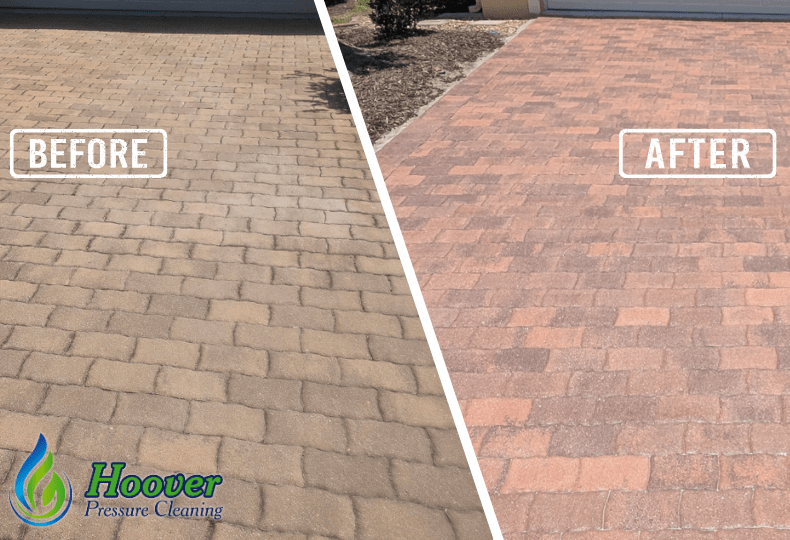
A good paver sealer usually lasts about two to three years. However, that time frame can vary depending on several factors. Weather conditions, the amount of sunlight and rain exposure, how often the surface is used, and how well the area was prepared before sealing all play a role in how long your pavers will stay protected.
For example, in places like Florida, where the sun is intense and the humidity is high, sealers can wear out a bit faster than in cooler, drier climates. The type of surface also matters. A driveway, which deals with tire traffic and oil stains, will typically wear down faster than a pool deck or backyard patio. Areas with heavy foot or vehicle traffic should be checked more often to ensure the sealer is still holding up.
How to Tell When It’s Time to Reseal
Even if it hasn’t been a full three years, there are signs that your pavers may need to be resealed. One of the easiest ways to check is with a water bead test—spray some water on the surface and watch what happens. If the water beads up, your sealer is still working. If it soaks into the pavers right away, it may be time for a fresh coat.
You may also notice that the surface has started to look dull or faded, especially if you had a glossy or enhanced finish originally. Another clue is that weeds or grass start growing between the pavers, which could mean the joint sand has been washed away and needs to be replaced.
These signs can show up earlier than expected depending on your local environment and how much wear the surface gets. If you see any of these warning signs, don’t wait—reapplying sooner can help avoid bigger problems like erosion or staining.
Why Proper Preparation Matters
The key to a long-lasting paver seal is proper surface preparation. If you skip the prep or rush the process, the sealer may not bond correctly, and you’ll likely need to redo it sooner than you’d like.
Start with a deep clean. That means using a pressure washer to remove any dirt, algae, mold, mildew, and especially efflorescence, which is the white, chalky residue that sometimes appears on pavers. If any stains or leftover sealers are present, they must be fully removed to avoid trapping them under the new seal.
Next, re-sand the joints with a clean, fine sand. This helps stabilize the pavers and keeps weeds from growing in the gaps. Once everything is clean, dry, and prepped, the sealer can be applied evenly across the surface.
Taking the time to do these steps correctly ensures better protection and gives your pavers a cleaner, more polished look.
Choosing the Right Sealer
There are different types of sealers, and the one you choose should depend on your desired look and how much maintenance you’re comfortable with.
Penetrating sealers are absorbed into the paver and offer great protection without changing how the surface looks. These are ideal if you want a natural appearance with moisture resistance.
Enhancing sealers slightly deepen the natural colors of the paver without adding gloss. These are often referred to as a wet-look sealer.
Glossy sealers, which are usually topical, provide a shiny finish. While they can make your pavers really pop, they tend to wear faster and often require more frequent maintenance or reapplication.
Choosing the right sealer is about finding the right balance between appearance and upkeep. Talk to a professional if you’re unsure which is best for your space.
Skip the Polymeric Sand
Polymeric sand is often advertised as a superior option because it hardens and resists washout, but it’s not always the best choice—especially if you plan on sealing. It can trap moisture under the surface, which may lead to mold growth, hazing, or cracking.
Instead, use clean, fine joint sand that meets industry standards. It drains better and is more compatible with most sealers, leading to a more stable and low-maintenance surface over time.
Keep Your Pavers in Good Shape
To help your sealed pavers last as long as possible, regular maintenance is key. You don’t need to do anything too time-consuming, but a monthly rinse with a garden hose or low-pressure wash can help keep dirt and debris from breaking down the sealer.
Every few months, inspect the surface for fading, joint erosion, or weed growth. You don’t need to reseal every year, but staying on top of small issues will help extend the life of your seal and your pavers.
Need Help?
Not sure where to start? Want to make sure it’s done right the first time? That’s where we come in.
Hoover Pressure Cleaning has been helping homeowners protect and restore their pavers for over 15 years. From deep cleaning and joint sanding to sealer selection and professional application, we take care of it all so you don’t have to. We only use plant-friendly products and proven methods that stand up to Florida’s climate.
Call us today at 941-697-6886 for a free estimate and let us help protect your investment while keeping your home looking its best.