
Why a professional roof checkup is a smart next step after cleaning—especially here in Florida
Seeing years of algae, dirt, and dark streaks disappear from a roof is satisfying. The whole home can look brighter and better maintained.
But a clean roof and a sound roof are not quite the same thing.
At Hoover Pressure Cleaning, our role is to clean each roof carefully with a method appropriate for its material. Once that work is complete, we encourage one more sensible step: have the roof checked by a licensed roofing contractor.
Cleaning clears away growth and buildup that can make a roof harder to evaluate. Afterward is an especially useful time to document its condition and look for small concerns.
Cleaning Creates a Clearer Starting Point
Algae, dirt, leaves, and debris can obscure tiles, shingles, seams, flashing, fasteners, and drainage paths. Once those surfaces are clean, a roofer has a clearer view and can establish a photographic baseline for future comparisons.
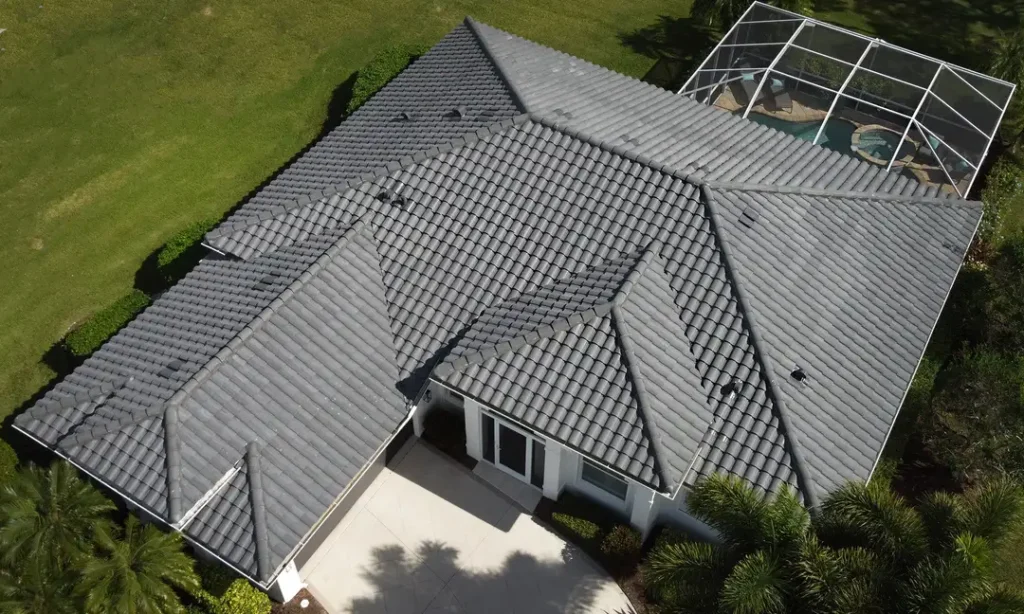
Recommending a checkup does not mean we expect professional cleaning to damage your roof. Cleaning and roofing inspections simply serve different purposes. Our technicians specialize in exterior cleaning and may point out something visibly out of place. A licensed roofer can evaluate what it means and examine the rest of the system.
Think of the process in three simple steps: clean it, check it, and maintain it.
A Small Stain That Told a Much Bigger Story
Nathan Borntreger, owner and licensed roofing contractor at SonShine Roofing, shared an example that shows why appearance alone cannot tell the whole story.
His team checked a local roof and found no discernible issues. About a year later, Nathan noticed slight brown stains on the soffit beneath the roof edge. There were no stains inside, and the roof did not look damaged from the ground. It appeared fine.
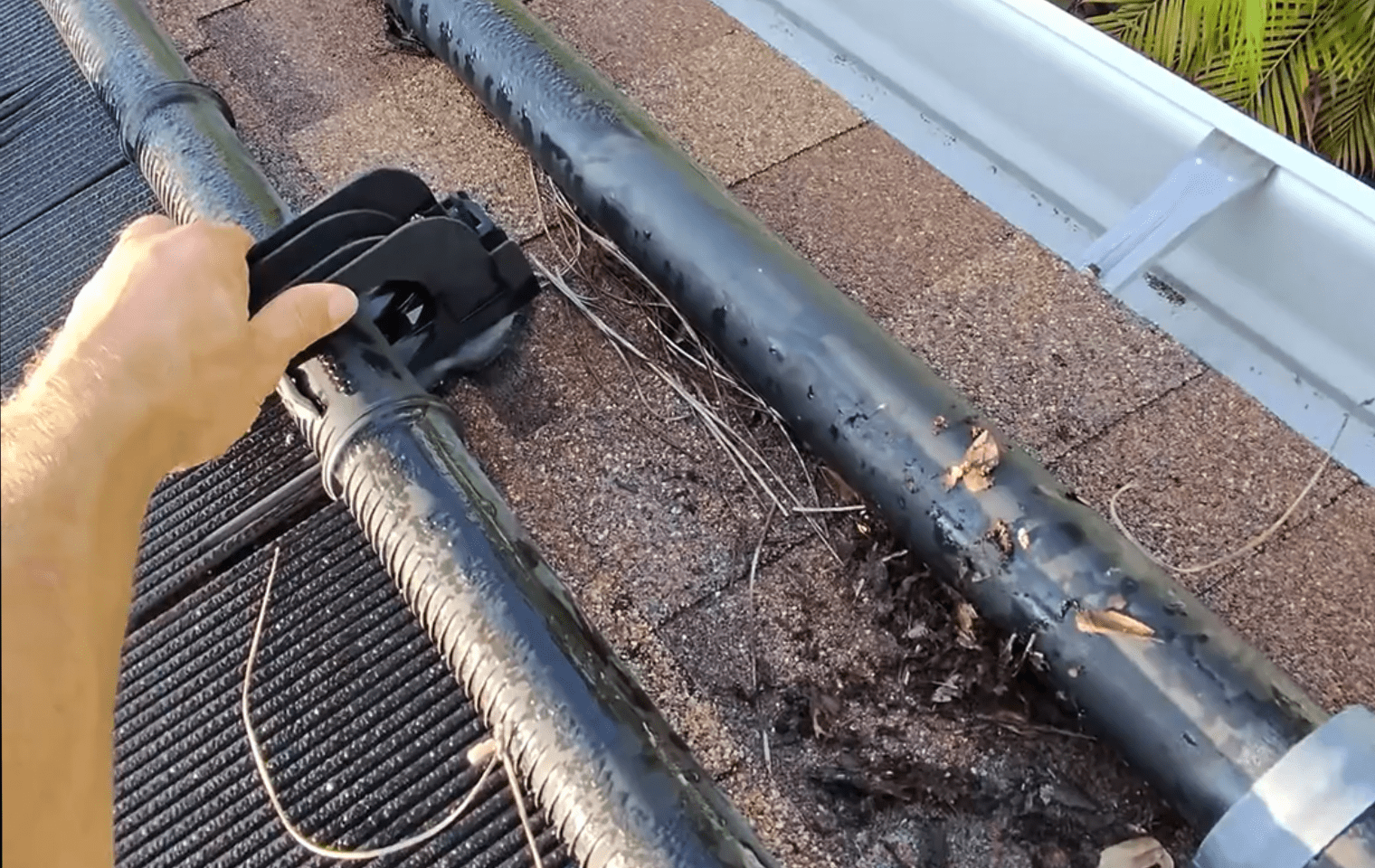
The inspection traced the staining to rust runoff from loose solar-panel brackets. Small gaps had allowed water to enter. Because the problem was caught early, the wood had not suffered significant damage. The work was limited to replacing a few flashings, securing the brackets, and documenting areas to monitor.
Left undiscovered, Nathan explained, it could have led to rotted decking and fascia, a far more expensive repair, or premature roof replacement.
The brown stain did not provide the diagnosis. It provided a clue. Roofing expertise connected that clue to the real problem.
Florida Does Not Give Weaknesses Much Time to Stay Small
Southwest Florida roofs face intense sun, heat, humidity, heavy rain, wind, and—near the coast—salty air. Materials repeatedly expand and contract. Metal can corrode, sealants can deteriorate, and roofing materials can shift without creating an obvious indoor leak.
According to SonShine Roofing, major storms frequently expose weaknesses that were already developing rather than creating every problem from scratch. A loose component, vulnerable flashing, or deteriorated seal may go unnoticed until wind-driven rain finds it.
That is why the calm period after cleaning is a good time to investigate—not the middle of a storm, when a small concern has become an emergency.
What a Roofer May Look for
Every roof system is different, but a post-cleaning checkup can be valuable across the most common Florida roofing materials.
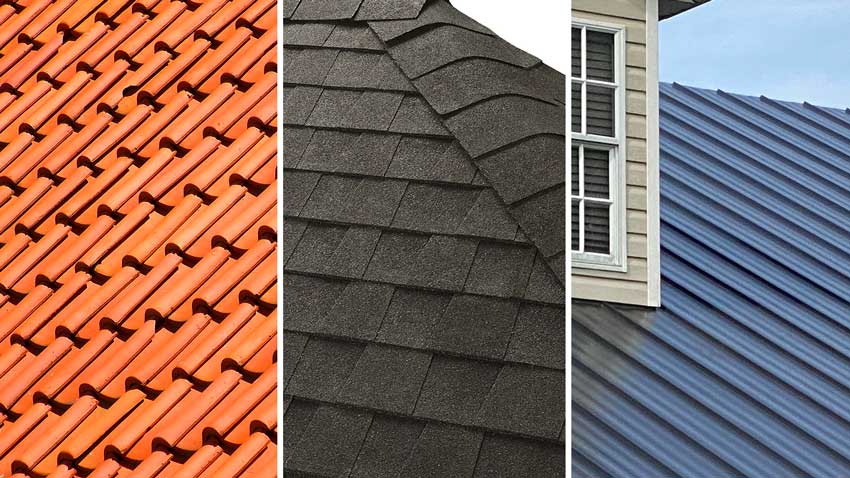
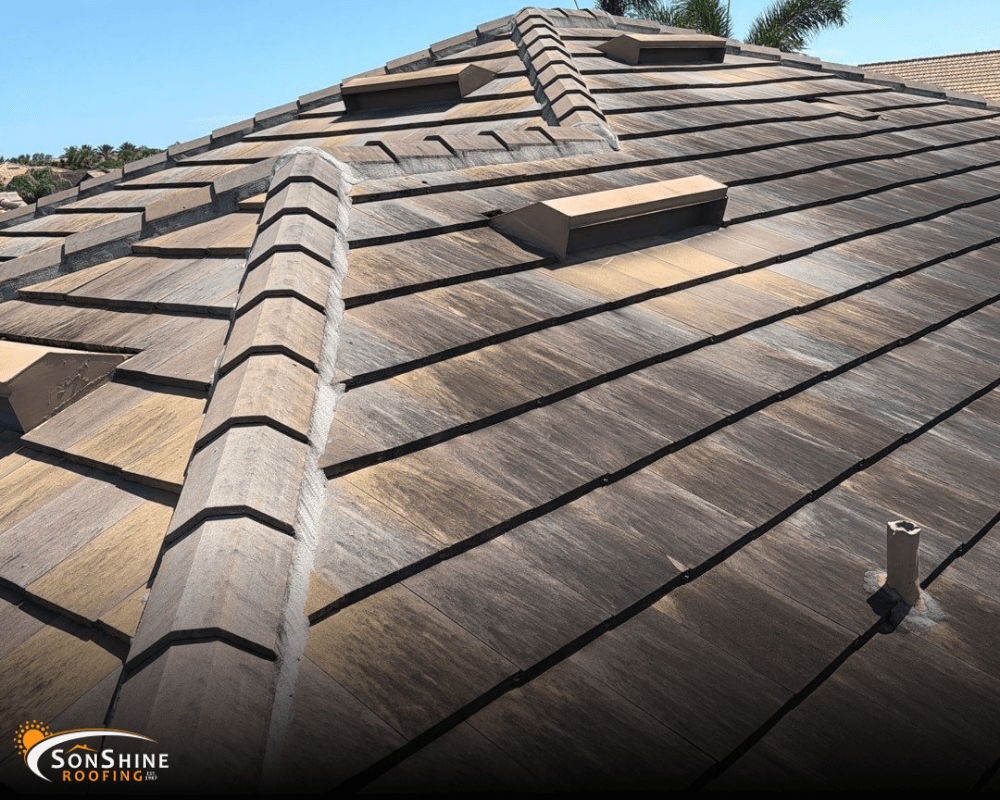
Tile roofs: A roofer may find cracked or displaced tiles, exposed underlayment, deteriorated sealant, or corrosion around valleys, vents, flashing, fasteners, and solar mounts. A tile can shift without falling, making the change hard to notice from the ground.
Shingle roofs: The checkup may identify lifted, curled, or missing shingles, unusual granule loss, exposed fasteners, or concerns around vents and flashing. Removing dark growth can make differences between roof areas easier to see.
Metal roofs: A roofer may evaluate fasteners and their washers, panel seams, protective coatings, sealants, ridge caps, penetrations, and roof edges for looseness, separation, or corrosion.
These conditions do not automatically mean a roof is leaking or needs replacement. Their significance depends on its design, installation, age, and overall condition. That determination belongs to a qualified roofer—not a cleaning technician or a homeowner looking up from the driveway.
A Meaningful Checkup Looks Beyond the Surface
SonShine Roofing explains that a thorough checkup considers the entire system. Beyond the exterior, a roofer may look for staining inside, inspect accessible attic areas and the underside of the roof deck, and evaluate flashings, vents, sealants, waterways, soffit, fascia, and gutters.
That can lead to three useful outcomes. You may receive an all-clear and photographs for your records. A small problem may be found while practical repair options remain. Or you may learn the roof is aging but still has useful service life, giving you time to plan.
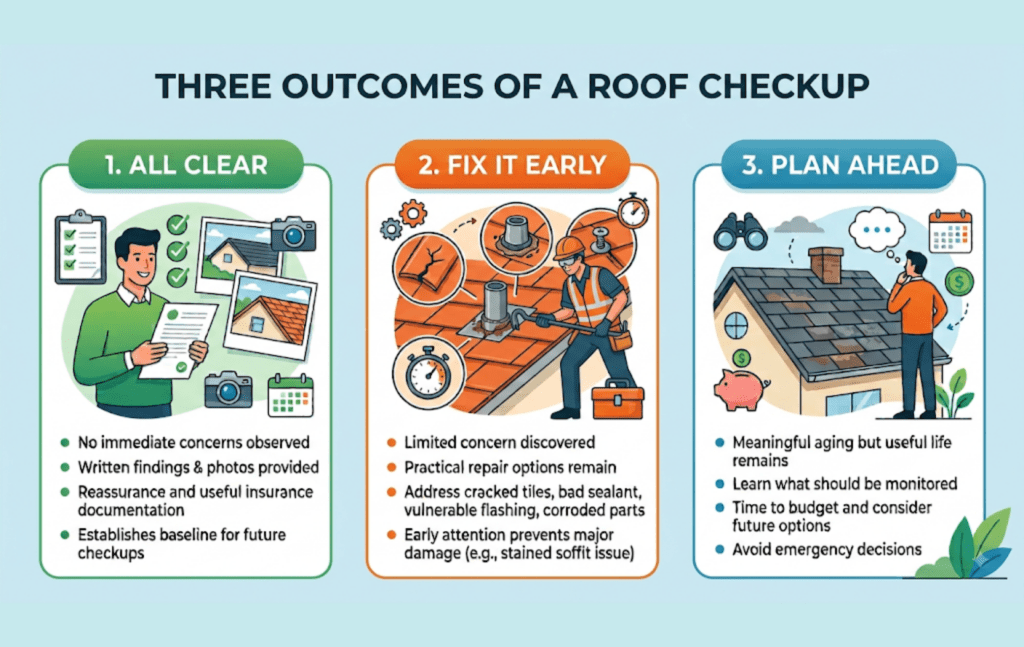
None of those outcomes is wasted effort. Reassurance, early action, and time to prepare all have value.
Pair a Cleaner Roof With Better Information
Roof cleaning and checkups are complementary. Cleaning restores appearance and removes unwanted buildup, and a check-up evaluates how the materials and the system beneath them are performing.
Ready to get started?
Schedule a roof pressure cleaning service from Hoover Pressure. Call (941) 697-6886 or visit our roof pressure cleaning page to learn more.
Once your roof is clean, schedule SonShine Roofing’s 18-point Tip Top Roof Check-up for a professional evaluation, detailed written findings, and photos. Call (941) 866-4320 or visit sonshineroofing.com to learn more.